





What are fibroids?
Fibroids in the uterus are the most common benign tumor which mainly affect women between the ages of 35 and 50, as they are hormone-dependent in their growth. A genetic predisposition and hormonal stimulation are currently suspected to be the causes of fibroids. The benign tumors may not be dangerous, but they can have a severely detrimental effect on the quality of a woman's life.Fibroids may be extremely small, but they can also grow to the size of a honeydew melon. A number of fibroids often develop at the same time.
The following are forms of fibroids:
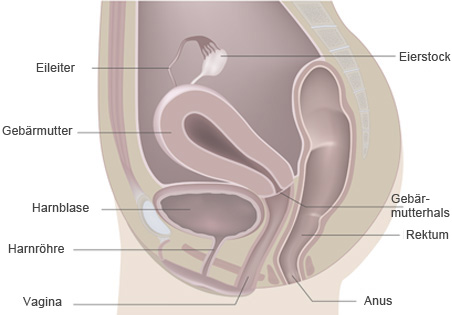
- " Intramural " – if they grow within the uterine muscle layer
- " Subserosal " – if they grow on the outside of the uterus under the outer uterine skin (serosa)
- " Submucosal " – if they grow directly under the uterine mucosa
- " Intracavitary " – if they grow into the cavity of the uterus
- " Pedunculated fibroid " – if they grow on a stalk outside of the uterine wall
Around 20-40% of all women of childbearing age have fibroids – they are often undetected. Only around 1 in 3 of those affected have symptoms such as:
- Heavy and prolonged uterine bleeding
- Pressure on the urinary bladder with the frequent urge to urinate
- Pelvic, leg or back pain
- Pain during sexual intercourse
- Involuntary childlessness or even miscarriages
Fibroid treatment should only be initiated if these symptoms occur.